Logo Animations & Typography: Why They Are Game Changers for Brand Identity in 2025

In the rapidly evolving digital world, first impressions are everything. Brands no longer survive—or thrive—on static logos and plain text alone. Logo animations and dynamic typography have emerged as essential tools for companies wanting to stand out, connect emotionally, and communicate more powerfully. For a web and tech company, mastering these elements isn’t optional—it’s what separates the memorable from the forgettable.
This blog digs into the what, why, and how of logo animation and typographic motion—showing how they build brand identity, boost user engagement, and shape perceptions. Whether for your website, social media, or video content, using them well can transform your brand’s presence.
What Are Logo Animations & Kinetic Typography?
Logo Animations
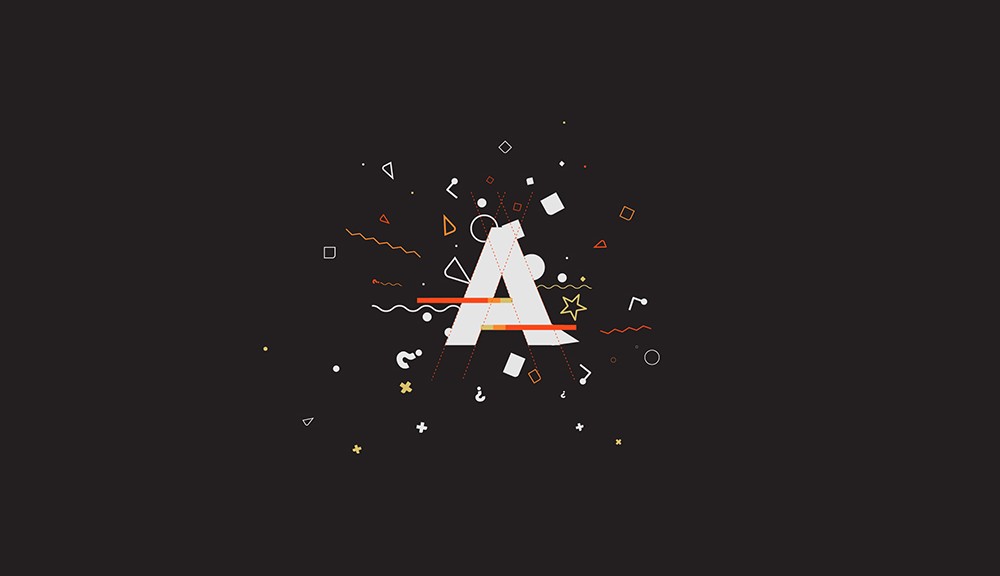
Logo animation is the process of bringing a logo to life through motion. That can mean subtle transitions (fade-ins, morphing shapes, reveals), more complex animated versions (3D rotations, layered movements, sound integration), or interactive transformations (logo responding to scroll, hover, or user input).
These animated logos are not just fancy add-ons—they act as dynamic touchpoints that reflect a brand’s personality. For tech or web companies, they convey innovation, responsiveness, and a forward-thinking mindset.
Typography in Motion (Kinetic Typography & Dynamic Typography)
Typography in motion refers to animating type—letters, words, or entire type layouts—to communicate more than just what is said. Movement adds emphasis, rhythm, tension, tone. Kinetic typography is especially powerful: text that moves, transforms, appears/disappears in sync with voice, video, musical cues or narrative flow.
Dynamic typography goes further: text that adapts in real time (based on user interaction, screen size, theme), or that reveals additional visual layers while keeping legibility and style. These techniques make text not just readable, but emotionally engaging and memorable.
Why They Matter Now: 2025 Trends & User Expectations
Several recent trends show why logo animation and typography are more than aesthetic extras—they are strategic tools for brand relevance.
- Motion as a Branding Staple
Animation in logos is one of the top trends for 2025. Brands are using transformation effects, hide-and-reveal styles, 3D movement, and even AR/VR readiness in logos. The goal is to appear dynamic and modern. - Kinetic Lettering & Typographic Vibrancy
Kinetic typography is surging in popularity. Designers use text animation in social media ads, video intros, website headers, and campaign materials. Styles include elastic distortion, fluid text, letter morphs, bounce and slide effects. These help catch attention quickly—crucial given users’ shrinking attention spans. - Emotion & Storytelling through Motion
Motion logos and animated typography enable storytelling. A logo that animates can hint at brand values (speed, flexibility, creativity), or respond to user interaction—forming a narrative immediately. Typography motion can pulse with message tone—urgent, calm, playful, dramatic. - Engagement & Memory Advantages
Studies show that moving visuals are more memorable. Animated logos and moving text increase user retention, emotion, and recall. When combined with sound, they become even more impactful. For businesses aiming for high brand recall, these are powerful levers. - Demand for Adaptive & Responsive Design
With a wide array of devices (phones, desktops, tablets, foldables, AR), brands need identities that adapt. Static logo or text can feel stale or out of place. Animated logos or typography that respond (scale, reposition, simplify) maintain consistency and amplify experience.
Benefits for Web & Tech Companies
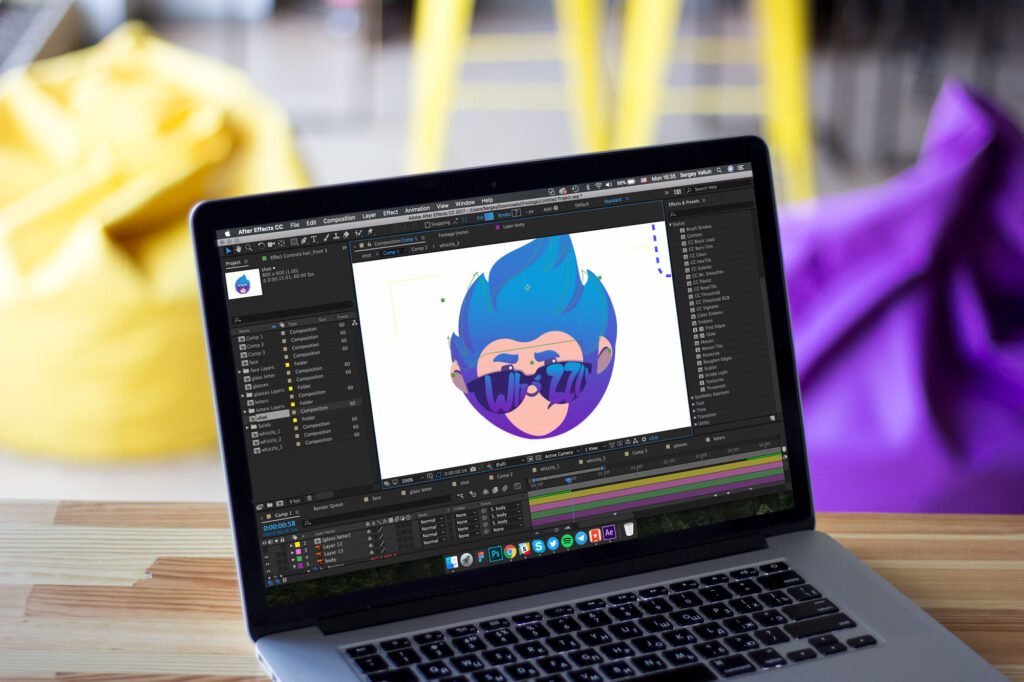
For a web development / technology brand, using logo animations + dynamic typography offers very specific advantages:
- Modernity and Innovation Perception: Demonstrates that your company is tech-savvy. A subtle animated logo hints that you follow current visual practices and care about interactive experience.
- Better First Impressions: A homepage with animated logo or moving typographic header immediately draws user attention, making them more likely to trust and explore further.
- Brand Differentiation: Amid thousands of static logos, motion stands out. Especially in competitive B2B/B2C spaces, this can be the difference between boring and memorable.
- Enhanced Social & Video Content Performance: Animated logos or kinetic typography work well in video intros, ads, reels, presentations. They lead to higher engagement in platforms like Instagram, YouTube, TikTok.
- Improved UX and Storytelling: Motion typography can guide users’ eyes, highlight important messages, reduce cognitive load by revealing content gradually; improving readability and message clarity.
- SEO & Dwell Time Effects: Engaging animations can lead visitors to stay longer on a page, reducing bounce rate—which can have positive indirect SEO benefits. Also, interactive motion establishes higher brand value in user perception.
Challenges & Best Practices
While powerful, logo animations and motion typography need to be done well. Otherwise they can be gimmicky, annoying, or hurt performance. Here are things to watch and best practices:
| Issue | Best Practice |
|---|---|
| Over-animation / Visual Noise | Keep animations purposeful. Use subtle transitions unless bold motion fits the brand personality. Every motion should serve readability or emotion, not just flair. |
| Legibility & Clarity | Ensure moving text is readable. Avoid overly complex motion for body text. Use contrast, proper spacing, avoid motion blurs unless used sparingly. |
| Performance & Load Times | Animation files (SVG animations, gifs, video) can increase page load. Use lightweight animations, optimize file sizes, lazy load, consider fallback static versions. |
| Consistency Across Platforms | Animated logo or typography should render well across devices and contexts. In emails or low-bandwidth situations, fallback to static. In responsive design, ensure motion adapts. |
| Branding Alignment | Animation style, speed, typography typeface, motion rhythm must align with brand tone. A tech brand might lean minimal & fast; a premium service might need smooth and graceful; fun brands might go bold & playful. |
How to Integrate Logo Animations & Typography Into Brand Workflow

Here’s a roadmap for how web/tech companies (or clients) can adopt these tools in their brand/marketing strategy:
- Audit Current Brand Assets
Review existing logo, typography, digital touchpoints. Note where static logo appears (website, apps, presentations) and where motion could add value. - Define Motion/Animation Style
Establish brand guidelines for motion: what kinds of animations are acceptable (e.g. logo morphs, reveal, 3D flip, fade, etc.), what speed or easing presets, how typography animates (slide, bounce, fade, type-in). Ensure alignment with color, tone, user experience. - Create Animated Versions
Start with simple animations: logo reveal on page load, transition effects for static logo, animated text headers. Use tools such as CSS animations, SVG animations, After Effects, or motion design libraries to build. - Apply in Key Touchpoints
- Website: loading screen/logo reveal, header or hero sections with animated text/phrase.
- App UI: splash screen animation, onboarding text animations.
- Social media & video: intros/outros with animated logo, kinetic typography for promos.
- Presentations & email signatures: subtle animation gives professional feel.
- Test & Iterate
Measure performance (load speed, bounce rate), user feedback, engagement metrics on social/video. Observe whether animations distract or enhance. Adjust speed, motion style based on what data and feedback indicate.
Emerging Trends in 2026 & What’s Next
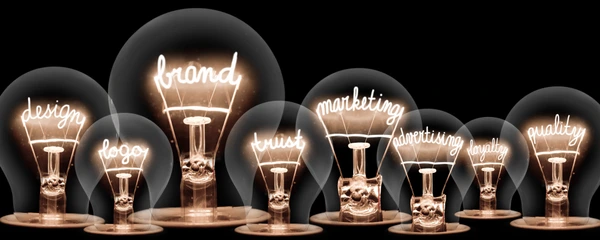
Looking forward, there are exciting developments to watch:
- AI-assisted Animation & Typography: Tools are increasingly using AI to suggest or auto-generate text motion or logo reveal sequences based on brand voice, context, or user behavior.
- Immersive & Spatial Typography: AR/VR environments where text and logos are part of 3D space; responsive text that moves or morphs as user changes perspective.
- Personalization in Motion: Animation that adjusts based on user profile, location, or usage history—tailored motion branding.
- Sustainability & Performance Awareness: Lightweight animations, minimalist kinetic typography that impacts less on battery/devices; variable font use to reduce file sizes; thoughtful motion that doesn’t cost huge bandwidth.
- Hybrid Style Logotypes: Blends of 2D & 3D, type plus graphic elements that animate on reveal, material textures, deep glow, etc., used together with type animation to elevate logo identity.
Case Ideas
Here are sample ideas you could use (or create) to illustrate in your portfolio or web content:
- Animated logo reveal: the symbol builds piece by piece, then text fades in.
- Hero header on website: kinetic typography showing taglines like “Innovate.” “Create.” “Deliver.” with each word animating differently.
- Social video intros: quick animated logotype + dynamic type captions.
- Splash screens/app startup with subtle motion in logo (rotation, scaling, shadow) to set tone of professionalism.
Final Thoughts
Logo animations and dynamic/kinetic typography are no longer optional extras. They are vital tools in brand-building for 2025, especially for web & tech companies that want to project innovation, personality, and engagement. They help brands be seen, be remembered, and connect emotionally with audiences who expect movement, speed, and interactivity.
For any company looking to sharpen its identity, adopting animation and motion typography is an investment that pays off—not just in aesthetics, but in user attention, brand recall, and perceived value.
Ready to Grow with Us?
Got a project or idea? Scale your business with Webdzo Technologies! From cutting-edge website development to digital solutions tailored for success, we help turn your vision into reality.
📞 Call: +91 99522 89956
🌐 Visit: www.webdzo.com
Let’s build something amazing together! 🚀
Leave a Reply