
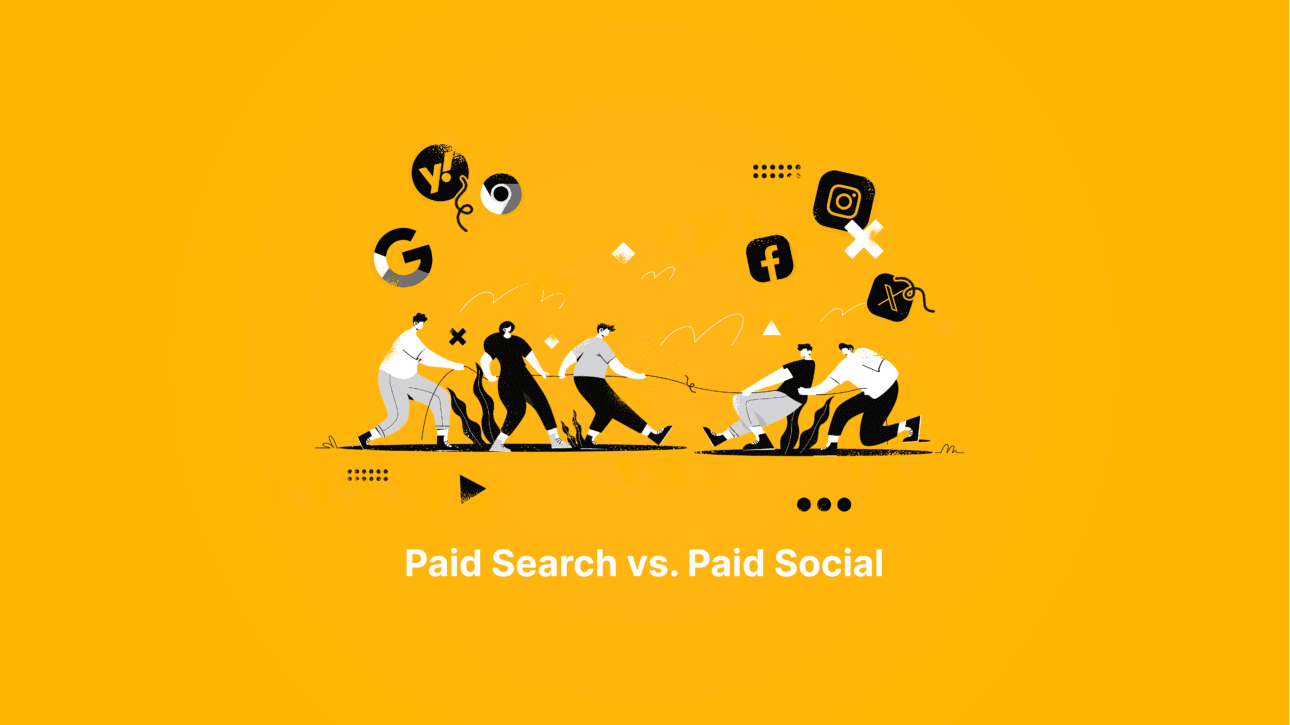
Paid Search vs Paid Media: What’s the Difference?
What Is Paid Search?
Paid search is an intent-driven advertising model where businesses pay when users click on their ads—hence the term Pay-Per-Click (PPC).
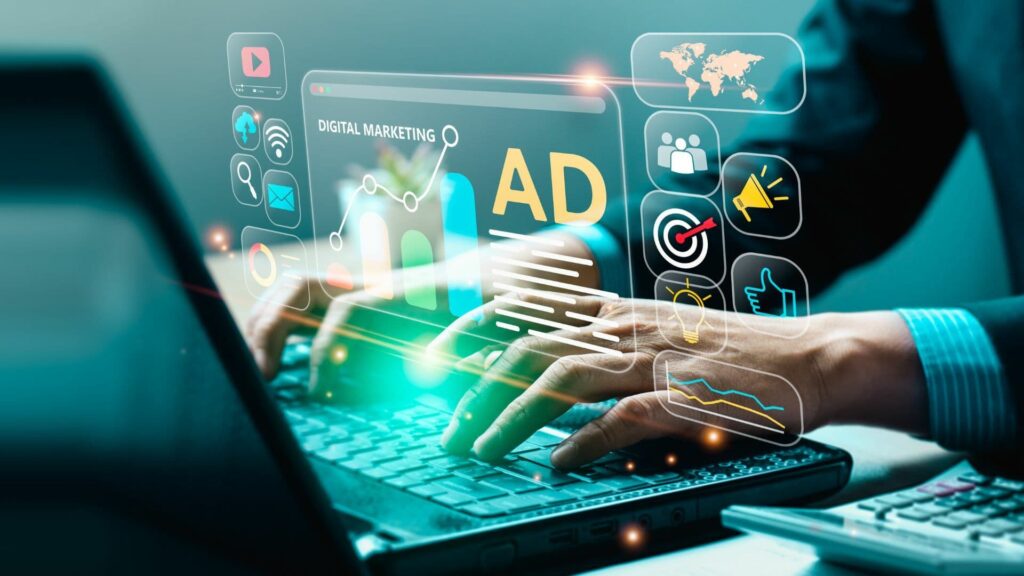
These ads appear on search engines like Google when users actively search for products, services, or solutions. Paid search allows brands to show up at the exact moment of demand, placing ads at the top of the Search Engine Results Page (SERP).
Why paid search matters:
- Targets users with high purchase intent
- Delivers fast, measurable results
- Ideal for lead generation and sales-driven goals
In simple terms, paid search captures existing demand.
What Is Paid Media?
Paid media covers all other forms of digital advertising outside search, including:

- Social media ads (Meta, LinkedIn, TikTok)
- YouTube and video ads
- Display and banner ads
- Native advertising and influencer collaborations
Unlike paid search, paid media often focuses on creating demand, building awareness, and nurturing audiences throughout the customer journey.
Why paid media matters:
- Builds brand recall and trust
- Engages users before they search
- Supports retargeting and full-funnel growth
Pro Tip: While paid media can also use a PPC pricing model, the term PPC is most commonly associated with paid search.
Core Paid Search Skills Every Beginner Must Learn
Paid search is often the entry point into performance marketing. It’s structured, data-rich, and intent-focused—making it one of the most powerful ways to drive qualified traffic.
Here are the foundational skills every marketer must master.
1. Strategic Thinking & Goal Setting
Every successful campaign starts with clarity.
Before launching ads, marketers must define:
- What is the goal? (sales, leads, awareness)
- How long will the campaign run?
- What budget is allocated?
- What success looks like in numbers
Using SMART goals ensures campaigns are measurable and actionable.
Key metrics to track include:
- Click-Through Rate (CTR)
- Conversion Rate
- Cost Per Click (CPC)
- Cost Per Acquisition (CPA)
- Return on Ad Spend (ROAS)
- Quality Score
- Average ad position on SERPs
Clear goals determine what you optimize—and what you ignore.
2. Trend Awareness
Search behavior evolves constantly. What users searched last year may not convert today.
Tools like Google Trends help marketers:
- Identify rising keywords
- Align campaigns with seasonal demand
- Capture traffic before competition spikes
Beyond tools, staying immersed in your industry—following thought leaders, communities, and platforms—helps you spot shifts early and stay ahead.
3. Integrating Paid Search with SEO
Paid search works best alongside organic search, not separately.
Smart marketers:
- Use PPC to support new or low-authority pages
- Dominate both paid and organic SERP listings
- Share keyword insights between SEO and PPC teams
This integration boosts visibility, credibility, and click-through rates while building long-term organic strength.
4. Competitor Research
Understanding your competition sharpens your strategy.
Effective competitor research involves:
- Identifying who is bidding on your keywords
- Analyzing their ad copy and offers
- Reviewing landing page structure and messaging
This insight helps you differentiate, improve conversion paths, and avoid costly trial-and-error.
5. Audience & Intent Research
Winning campaigns target the right people with the right message.
This starts with buyer personas—data-driven profiles that outline:
- Demographics
- Goals and pain points
- Search behavior and motivations
Equally important is search intent.
For example:
- “Best CRM software” → research stage
- “Buy CRM software” → purchase stage
Matching intent with the correct ad copy and landing page dramatically improves conversions.
6. Budget Management & Control
PPC requires discipline.
Without proper budgeting:
- High-potential campaigns may be cut too early
- Poor performers may drain spend unnecessarily
Marketers must know how to:
- Allocate budget across campaigns
- Control daily and monthly spend
- Measure profitability, not just traffic
Budget management is directly tied to ROI.
7. Data Analysis & Continuous Optimization
Data alone doesn’t create growth—decisions do.
Strong paid search marketers:
- Interpret trends, not just metrics
- Identify underperforming keywords and ads
- Reallocate spend based on results
- Test and iterate continuously
Integrating tools like Google Ads analytics, GA4, and reporting dashboards allows marketers to connect ad spend to real business outcomes.
Must-Have Google Ads Skills for 2026 and Beyond
Google Ads remains the backbone of most PPC strategies. As automation and AI evolve, marketers must move beyond basics.

Here are the advanced skills that matter.
Keyword Research with Intent
Modern keyword research balances:
- Search volume
- Competition
- Cost per click
- Funnel stage
Long-tail and niche keywords often deliver higher-quality leads at lower costs, especially for specialized brands.
Understanding why someone searches is more important than how many people search.
High-Impact Ad Copywriting
Great ad copy connects intent to action.
Effective Google Ads copy:
- Speaks directly to user needs
- Highlights clear value propositions
- Uses strong, relevant CTAs
- Aligns perfectly with landing pages
Within strict character limits, clarity always beats cleverness.
Final Thoughts
Performance marketing in 2026 is no longer about mastering a single channel.
True growth comes from:
- Understanding paid search to capture demand
- Leveraging paid media to create and nurture demand
- Using data to optimize, scale, and prove ROI
Marketers who combine strategy, analytics, creativity, and platform expertise become invaluable assets to any business.
At Webdzo Technologies, we believe performance marketing isn’t about chasing clicks—it’s about building systems that drive sustainable, profitable growth.
Ready to Grow with Us?
Got a project or idea? Scale your business with Webdzo Technologies! From cutting-edge website development to digital solutions tailored for success, we help turn your vision into reality.
📞 Call: +91 99522 89956
🌐 Visit: www.webdzo.com
Let’s build something amazing together! 🚀


Leave a Reply